
Catch Oliver on Do Radio: It’s Not About Trees with John Lunn 31st August - 6th September 2026.
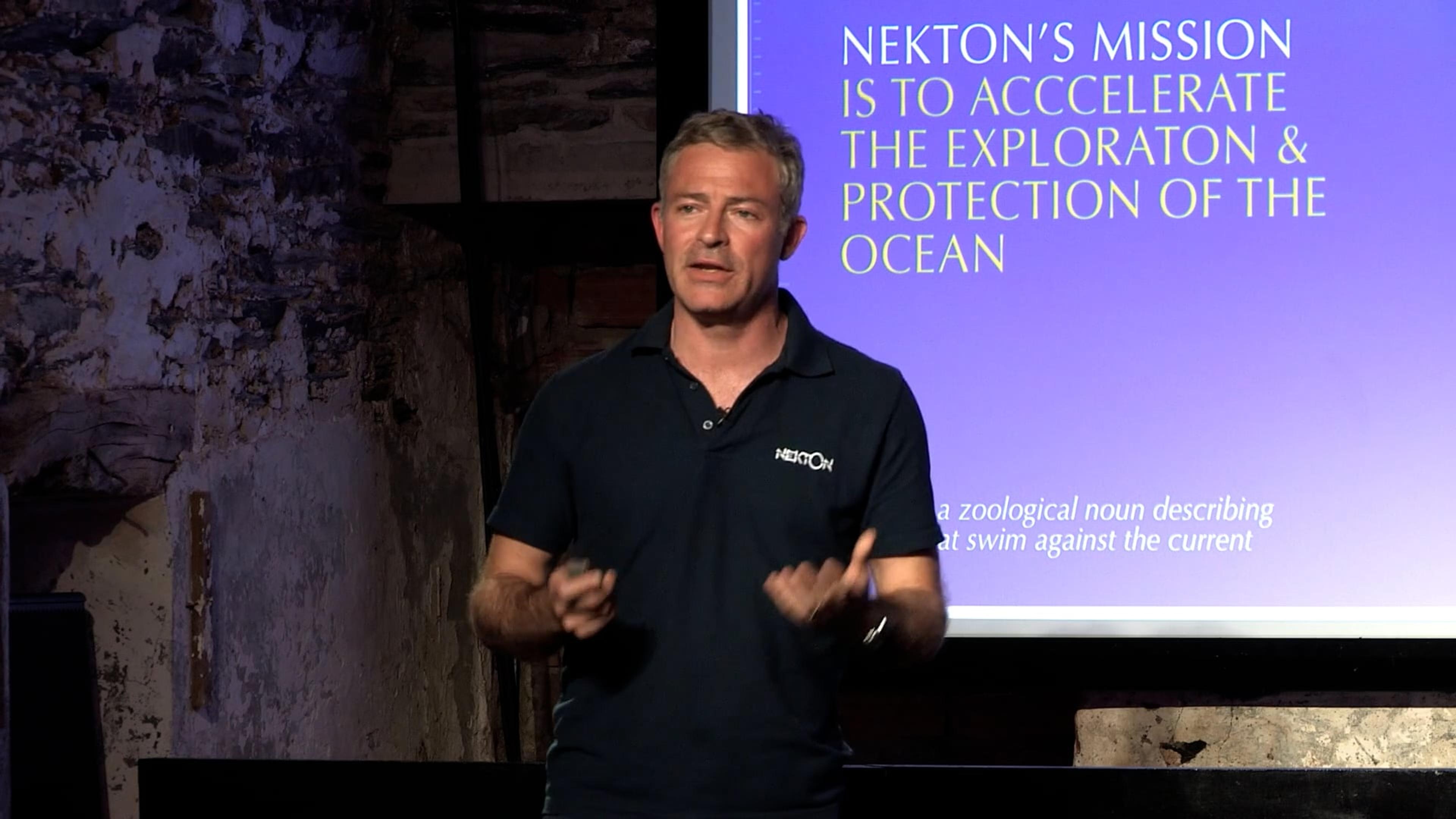
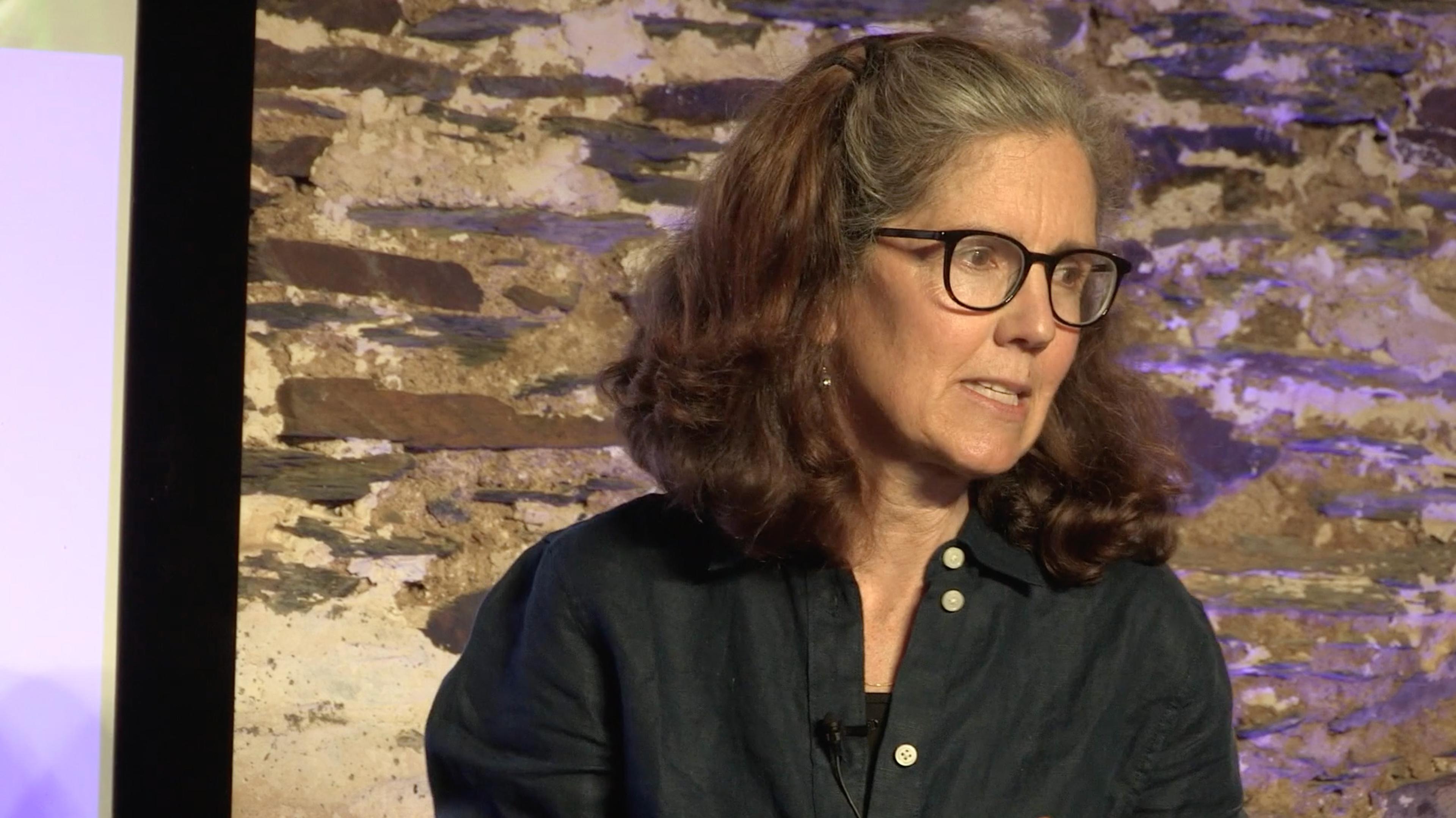
Oliver Steeds OBE is an explorer, journalist and founder of Nekton, an independent ocean research organisation dedicated to advancing scientific understanding of the world's oceans. Through pioneering expeditions and global partnerships, his work seeks to accelerate marine discovery and translate science into action that supports the protection of ocean ecosystems.
Originally an investigative broadcast journalist, Oliver's career changed direction after reporting on the destruction caused by deep-sea trawling. Convinced that the ocean was both critically important and profoundly underexplored, he established Nekton in 2016 to bring together scientists, governments, philanthropists and businesses in support of large-scale ocean exploration.
Today, Oliver also leads initiatives including the Ocean Census, which aims to accelerate the discovery of marine species, and Ocean Rising, which connects science with culture, education and the arts. His work is driven by the belief that discovery creates understanding, understanding inspires protection, and that a deeper relationship with the ocean is essential for the future of life on Earth.
DO Radio Show Notes
In this episode, John Lunn speaks with Oliver Steeds, explorer, journalist and founder of Nekton, about the hidden world beneath the ocean's surface and why understanding it is fundamental to our future.
Oliver reflects on the journey that took him from investigative journalism into ocean exploration after witnessing the devastating impact of deep-sea trawling. Realising how little was understood about the ocean—and how essential it is to life on Earth—he founded Nekton to accelerate scientific discovery and inspire a new relationship with the sea.
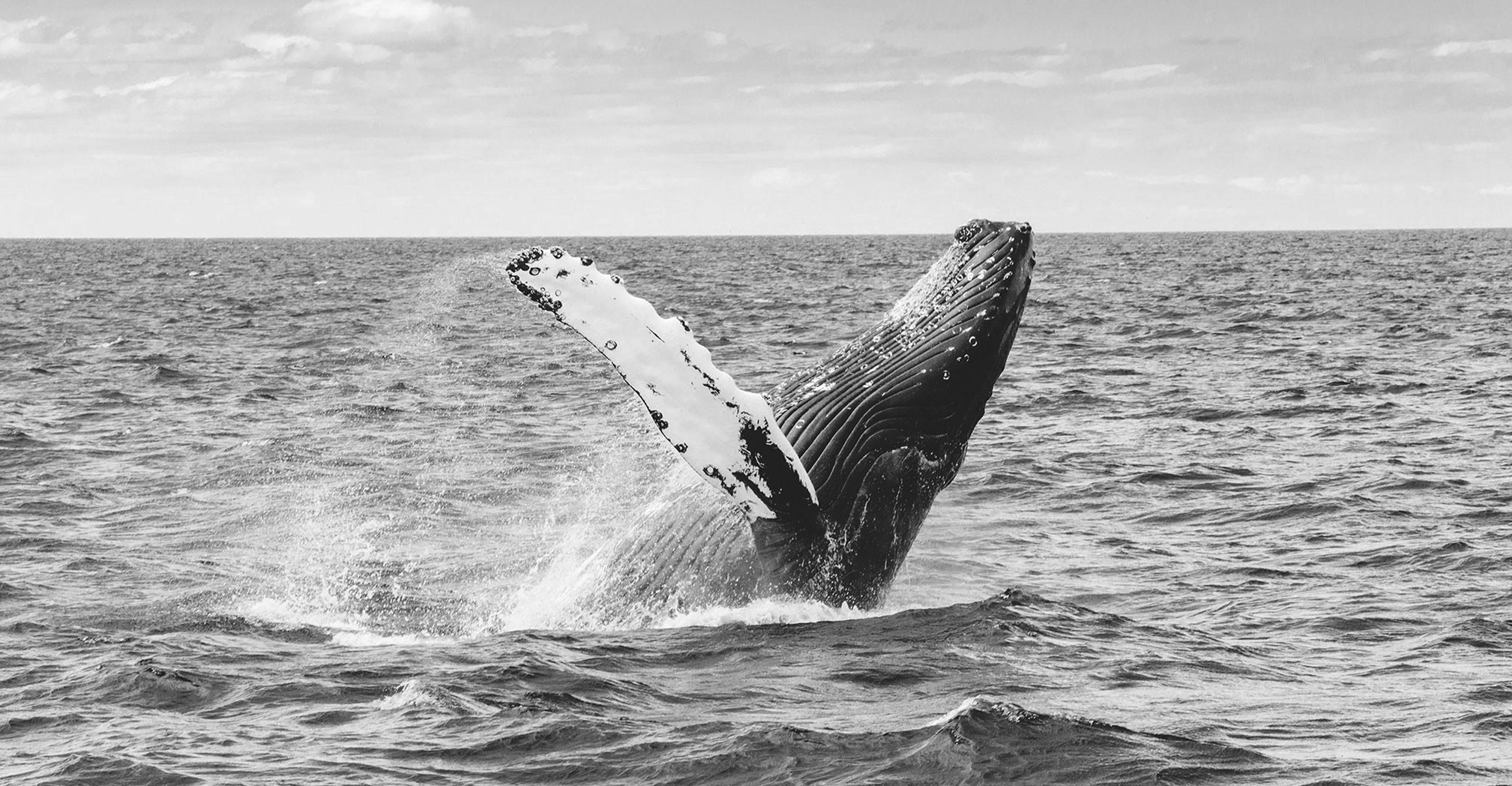
The conversation explores the scale of what remains unknown. Despite the ocean regulating our climate, producing much of our oxygen and supporting billions of people, only a fraction of marine life has been identified. Through initiatives such as the Ocean Census, Oliver explains how new technologies and international collaboration are dramatically increasing the rate of species discovery, providing the knowledge needed to protect marine ecosystems before they are lost.
A central theme is what Oliver calls an "ocean enlightenment"—a shift in how we see ourselves in relation to the natural world. Rather than viewing humanity as separate from nature, he argues that reconnecting with the ocean, through curiosity, wonder and scientific discovery, is essential if we are to address biodiversity loss, climate change and the wider environmental crisis.
Despite acknowledging the scale of the challenges ahead, Oliver remains hopeful. He believes that collaboration, exploration and a deeper appreciation of the ocean can inspire the action needed to create a more resilient future. As he puts it, action is the antidote to anxiety.
You might also like...







Copyright 2026. The DO Lectures All rights reserved.
Registered in England & Wales. Company Number: 06772325.